
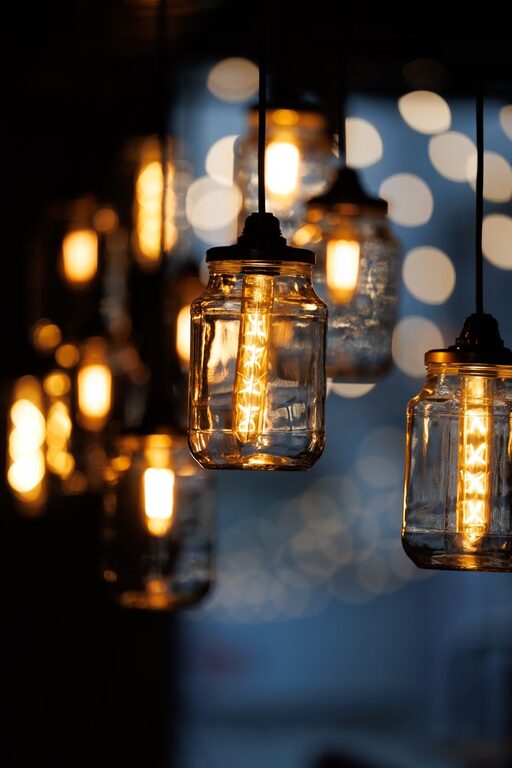
Creating a comfortable living environment involves more than just furniture and colours — lighting plays a crucial role in how your home feels. Choosing the right lighting can improve your mood, reduce eye strain, and make your living spaces more functional and inviting. Whether you’re redecorating or simply updating your lamps and fixtures, here are some helpful tips for choosing comfortable home lighting for every room.
Why Comfortable Lighting Matters
Lighting affects our daily lives in many subtle ways. Poor lighting can cause headaches, eye fatigue, or make a room feel cold and unwelcoming. On the other hand, well-chosen lighting can create warmth, improve focus, and even enhance the appearance of colours and textures in your home.
Comfortable home lighting strikes a balance between brightness, colour, and placement. It should complement natural daylight, support your activities, and fit your personal style.
Consider the Purpose of Each Room
Start by thinking about how you use each room. Different activities require different lighting solutions:
– Living Room: A mix of ambient, task, and accent lighting works best. Soft overhead lights combined with lamps create a cozy, layered effect.
– Kitchen: Bright, focused lights are needed for cooking and food preparation. Under-cabinet LED strips can illuminate counters effectively.
– Bedroom: Warm, dimmable lights help relax and prepare for sleep. Avoid harsh overhead lighting and opt for bedside lamps or sconces.
– Bathroom: Bright, shadow-free lighting around mirrors is important for grooming. Choose fixtures that provide even illumination.
– Home Office: Bright and adjustable lighting reduces eye strain. Task lamps on desks and good ambient light are essential.
Choose the Right Bulb Type
The type of bulb you choose affects the colour, brightness, and energy efficiency of your lighting.
LED Bulbs
LEDs are energy-efficient, long-lasting, and come in a variety of colour temperatures. They generate less heat and are available in dimmable options, making them a great choice for most rooms.
CFL Bulbs
Compact Fluorescent Lamps use less energy than traditional incandescent bulbs but may take time to reach full brightness. They are less common now but still an option for general lighting.
Incandescent Bulbs
Traditional incandescent bulbs offer warm, natural light but are less energy-efficient and have a shorter lifespan.
Understand Colour Temperature
Colour temperature is measured in Kelvins (K) and impacts the mood of a room:
– Warm White (2700K – 3000K): Creates a cozy, relaxing atmosphere. Ideal for bedrooms and living rooms.
– Neutral White (3500K – 4100K): A balanced light that works well in kitchens, bathrooms, and workspaces.
– Cool White (5000K – 6500K): Bright and energizing, similar to daylight. Suitable for offices or areas requiring sharp focus.
Choosing the right colour temperature helps foster the desired ambiance and comfort.
Use Dimmers and Smart Controls
Dimmers allow you to adjust the brightness according to the time of day or activity, providing greater control over your environment. Installing dimmers can significantly enhance comfort and save energy.
Smart lighting systems offer even more flexibility. With apps and voice control, you can change colours, set schedules, and create customised lighting scenes to suit your mood or routine.
Layer Your Lighting
Relying on a single light source can make a room feel flat or uncomfortable. Instead, aim for layered lighting by combining three types:
– Ambient Lighting: The main source of light that fills the room.
– Task Lighting: Bright light focused on specific activities like reading or cooking.
– Accent Lighting: Highlights architectural features, artwork, or decor.
Layering lighting helps to reduce harsh shadows and allows you to adjust the intensity throughout the day.
Pay Attention to Fixture Placement
Where you place your lights affects comfort. Avoid positioning lights directly above your eyes to reduce glare. Consider these tips:
– Use lamps or wall sconces at eye level for reading areas.
– Place under-cabinet lights close to the surface to eliminate shadows.
– Ensure bathroom mirrors have lighting on both sides to minimise unflattering shadows.
Prioritise Energy Efficiency and Sustainability
Comfortable lighting doesn’t mean you have to waste energy. Choose energy-efficient bulbs like LEDs and consider fixtures that use less electricity without sacrificing quality. This approach not only reduces your utility bills but also benefits the environment.
Final Thoughts
Choosing comfortable home lighting involves understanding your room’s function, selecting the right bulbs and colour temperatures, layering your lights, and using controls like dimmers. Thoughtful lighting choices can transform your space into a welcoming, functional, and relaxing home. Start by assessing your current lighting and experiment with new options — small changes can make a big difference.
With these tips, you’re well on your way to creating a comfortable and beautifully lit home. Happy decorating!
About the Author