
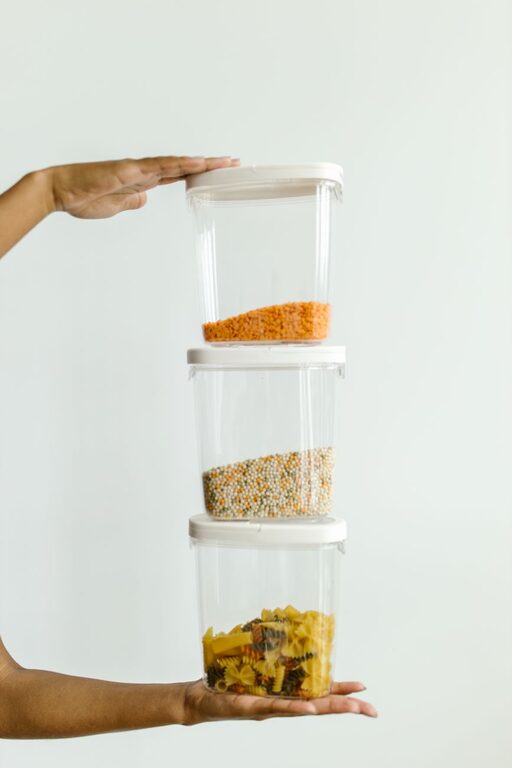
Planning meals from pantry staples can be a game-changer when it comes to saving time, reducing food waste, and sticking to a budget. Whether you’re a busy professional, a student, or someone simply looking to get more creative with what’s already in your kitchen, learning how to make the most of pantry essentials can simplify your cooking routine.
In this post, we’ll walk you through how to identify your pantry staples, plan balanced meals around them, and use simple strategies to keep your meal planning fresh and stress-free.
What Are Pantry Staples?
Pantry staples are non-perishable food items you keep on hand that form the foundation for many meals. These include dry goods, canned items, spices, and condiments that don’t spoil quickly.
Common pantry staples include:
– Rice, pasta, and grains like quinoa or couscous
– Canned beans and lentils
– Canned tomatoes and tomato paste
– Broth or stock (boxed or canned)
– Cooking oils such as olive oil or vegetable oil
– Basic spices and seasonings (salt, pepper, garlic powder, herbs)
– Flour, sugar, and baking essentials
– Shelf-stable proteins like canned tuna or sardines
Having these basics stocked means you can always whip up a meal without needing a last-minute grocery run.
Step 1: Take Stock of Your Pantry
Start by doing a quick inventory of what you already have. Pull everything out and make a list of items, noting quantities and expiry dates. This helps you see what you can use soon before it expires and highlights staples you might be low on.
Organize your pantry so you can easily see what’s available. Group similar items together — for example, all grains in one area, canned goods on another shelf, and spices in a rack.
Step 2: Plan Meals Around Key Ingredients
Once you know what staples you have, plan your meals by selecting a main pantry ingredient and building from there. Here’s how:
Choose a Base
Pick a grain, pasta, or legume as your meal’s base. For example:
– Rice
– Pasta
– Lentils
– Quinoa
– Canned beans
Add a Sauce or Flavour
Use canned tomatoes, broth, or canned coconut milk to create a sauce or soup base. Add spices and herbs to build flavour.
Incorporate Fresh or Frozen Produce
Combine your pantry base with any fresh or frozen vegetables you have available. Even frozen veggies like peas, corn, or spinach can add nutrition and colour.
Add Protein
If you have canned tuna, sardines, or beans, use these as your protein source. Alternatively, use eggs or tofu if you have them in the fridge.
Example Meal Ideas:
– Tomato Lentil Soup: Lentils + canned tomatoes + broth + spices + carrots and celery
– Tuna Pasta Salad: Pasta + canned tuna + frozen peas + olive oil + lemon juice
– Rice and Beans Bowl: Rice + canned black beans + canned corn + salsa + avocado (if available)
– Quinoa Stir-Fry: Quinoa + frozen mixed vegetables + soy sauce + garlic + scrambled eggs
Step 3: Keep It Balanced and Nutritious
Even when cooking from pantry staples, it’s important to include different food groups to keep meals balanced. Aim to include:
– Carbohydrates (rice, pasta, bread)
– Protein (beans, lentils, canned fish, eggs)
– Vegetables (fresh, frozen, or canned low-sodium)
– Healthy fats (olive oil, nuts, seeds)
If you don’t have fresh vegetables, don’t hesitate to use frozen or canned varieties (rinsed to reduce sodium). These can be just as nutritious and last longer in your kitchen.
Step 4: Use Meal Planning Tools
Consider using a simple meal planning template or app to arrange your meals for the week based on pantry items. This helps you:
– Reduce food waste by using ingredients before they expire
– Save money by avoiding duplicate purchases
– Minimise stress during busy days
You can create a weekly plan that mixes pantry-based meals with fresh meals to keep variety.
Step 5: Batch Cook and Store
When you cook meals from pantry staples, consider making larger portions so you have leftovers for lunches or additional dinners. Many dishes like soups, stews, and casseroles freeze well and can be stored in freezer-safe containers for later.
Batch cooking saves time and ensures you always have a meal ready, especially on hectic days.
Tips to Keep Your Pantry Well-Stocked
– Rotate pantry items regularly: use older items first and place new purchases at the back
– Keep a basic list of staples you use regularly and replenish them as needed
– Buy versatile ingredients that can be used in multiple recipes
– Shop sales and bulk bins to save money on staple items
– Label containers to keep track of contents and expiry dates
Conclusion
Meal planning from pantry staples is a practical and cost-effective way to make homemade meals with what you already have. By keeping your pantry well-stocked, organising your ingredients, and planning meals around key staples, you can enjoy tasty, balanced meals without the stress of last-minute shopping.
Start small by taking inventory and experimenting with simple recipes, and soon you’ll find it easier than ever to cook from your pantry. This approach helps reduce waste, saves money, and adds variety to your weekly menu — all while making mealtime more enjoyable.
Happy cooking!
About the Author